Viktor Günther · 7 October 2026
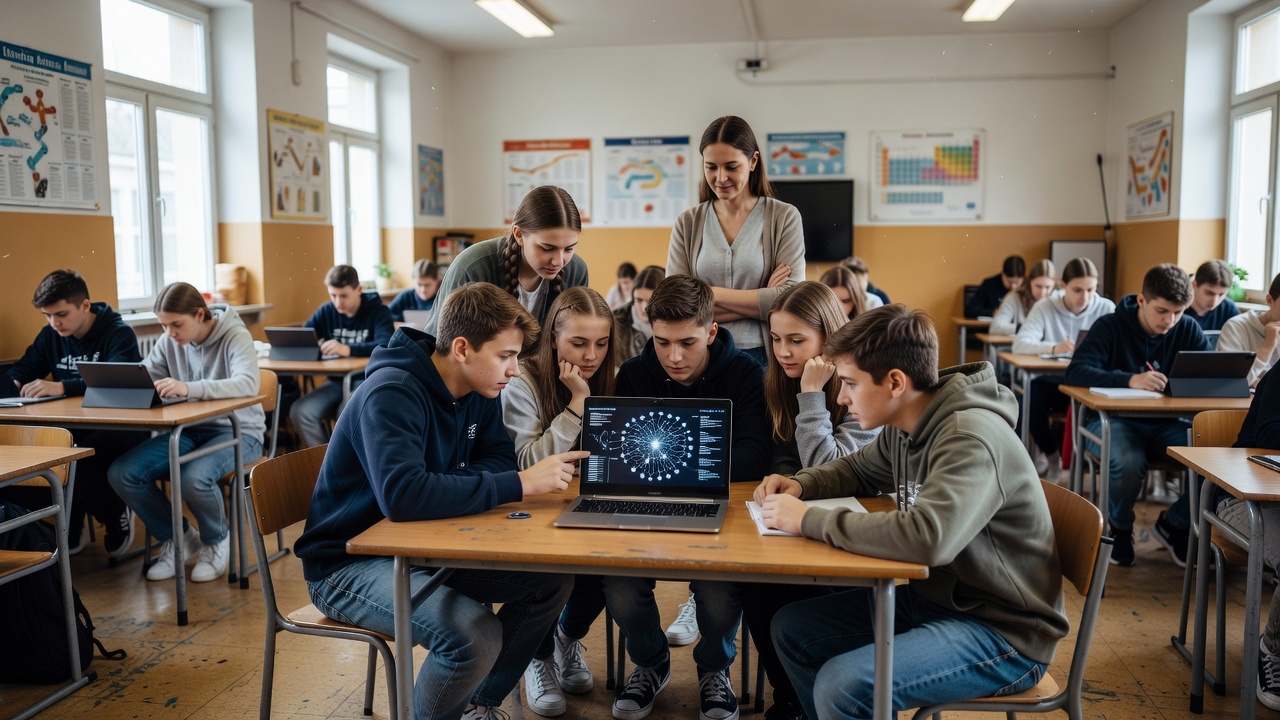
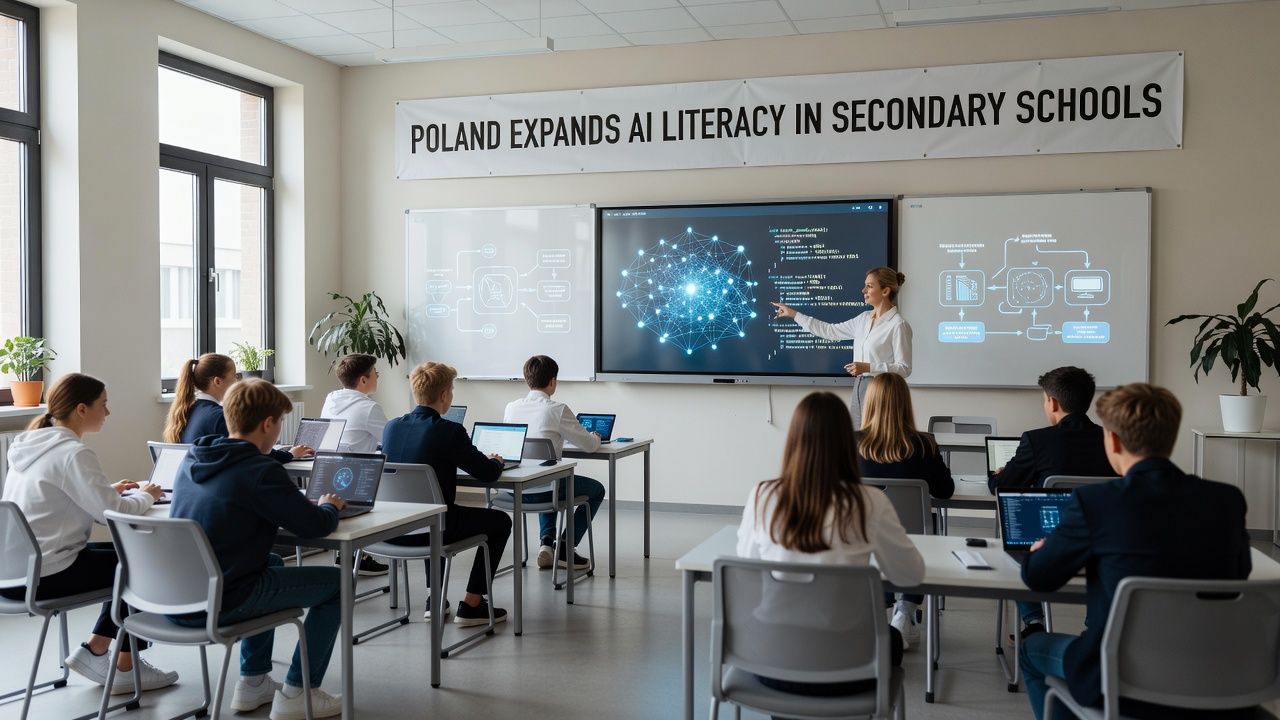
Poland is set to broaden its artificial intelligence literacy curriculum across secondary schools starting in the 2025 academic year. The Ministry of National Education has outlined new requirements that integrate core AI concepts into existing technology and informatics classes for students aged 15 to 19. This move aims to equip young learners with foundational skills in data analysis, machine learning basics, and ethical considerations surrounding automated systems.
Curriculum Structure and Teacher Training
The updated framework introduces modular lessons covering algorithmic thinking, bias detection in datasets, and practical applications of generative tools. Schools will receive standardized teaching materials developed in collaboration with universities and technology institutes. A nationwide teacher training program will begin this summer, focusing on both technical content and classroom delivery methods. Officials estimate that over 12,000 educators will participate in the initial phase, ensuring consistent implementation across public and private institutions. Pilot programs in three voivodeships have already shown improved student engagement when lessons connect AI topics to real-world problem solving in fields such as healthcare and environmental science.
Assessment methods will shift toward project-based evaluations rather than traditional tests. Students might design simple recommendation systems or analyze case studies on privacy regulations. These changes align with broader European efforts to standardize digital competencies while allowing flexibility for regional adaptations.
Long-Term Effects on Career Pathways
Education specialists anticipate that early exposure to AI literacy will influence post-secondary choices and workforce readiness. By embedding these topics earlier, Poland seeks to reduce skill gaps in emerging sectors like automation and data-driven industries. Partnerships with vocational programs will create clearer routes from secondary classrooms to specialized higher education tracks. Monitoring committees will track enrollment trends and competency outcomes over the next five years to refine the approach. The initiative reflects a strategic investment in human capital, positioning Polish graduates competitively within the European digital economy while emphasizing responsible innovation and critical evaluation of technology.