Taylor Baumann · 7 October 2026
Poland has introduced an expanded AI literacy curriculum for secondary schools nationwide, integrating core concepts of artificial intelligence into existing technology and informatics classes. The Ministry of Education announced the changes to prepare students for an AI-driven economy while emphasizing ethical considerations and practical applications.
Curriculum Components and Implementation
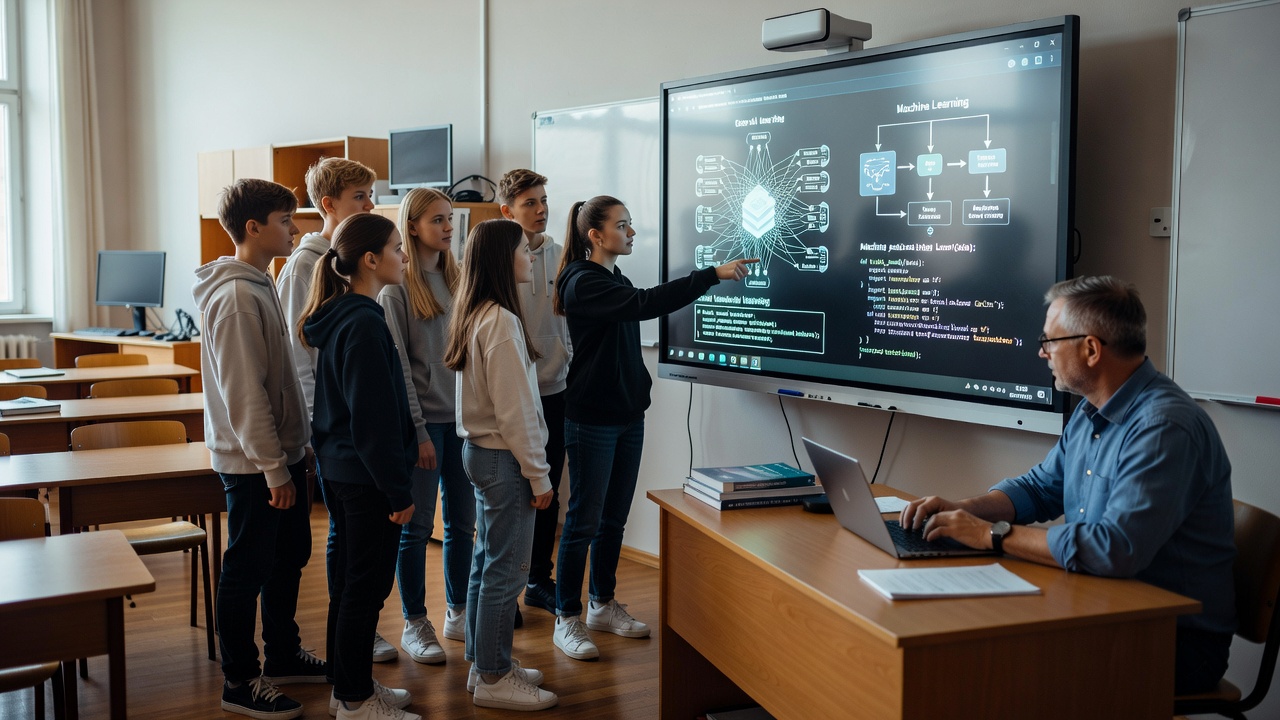
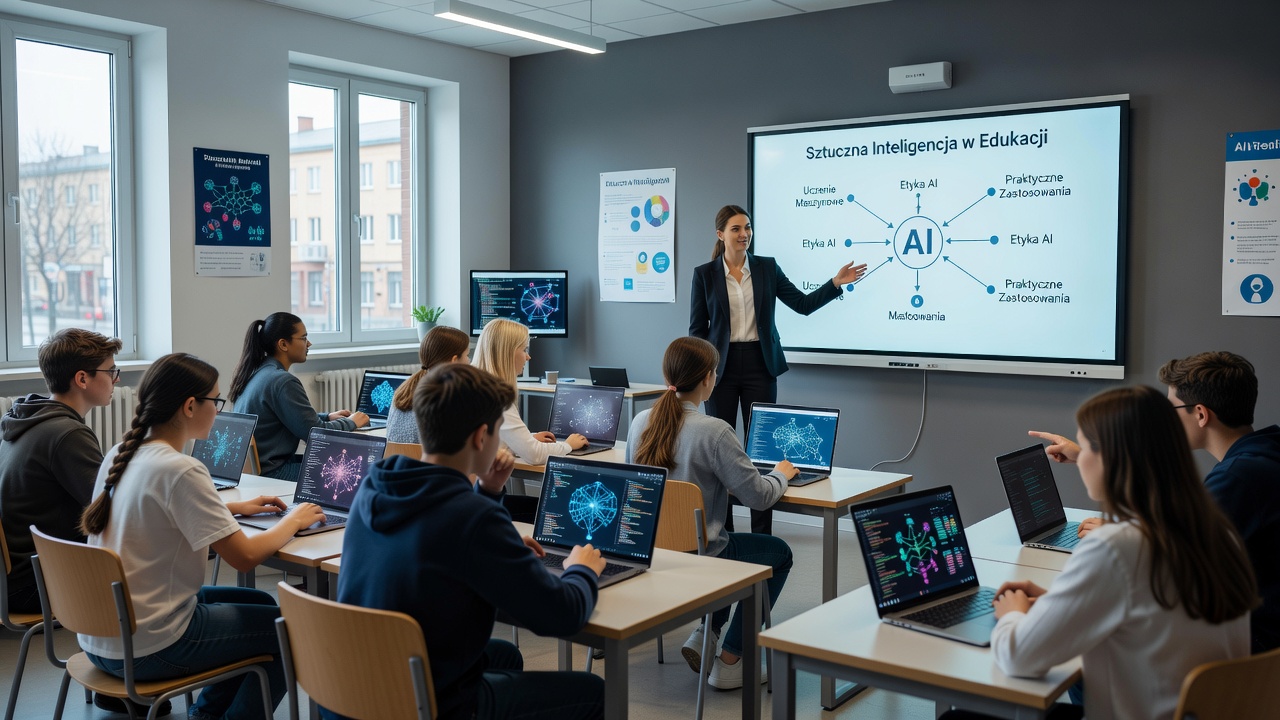
The updated program covers machine learning fundamentals, data analysis, algorithmic thinking, and responsible AI use. Students will engage in hands-on projects using open-source tools, with modules on bias detection and privacy protection. Pilot programs in Warsaw and Krakow schools showed improved student engagement, leading to the nationwide rollout starting in the next academic year. Teacher training initiatives include workshops on AI pedagogy, supported by partnerships with universities. Funding from the national digital strategy allocates resources for updated textbooks and software licenses, ensuring equitable access across urban and rural districts.
Secondary schools must dedicate at least 20 hours annually to AI topics within informatics courses. Assessment will shift toward project-based evaluations rather than traditional exams, focusing on students' ability to design simple AI models and critique real-world applications. Officials expect this approach to foster critical thinking alongside technical skills.
Broader Educational Impact
Education experts note that early AI exposure can guide students toward specialized pathways in computer science and data ethics. Surveys indicate growing parental support for the curriculum, with 78 percent viewing it as essential for future employment. The expansion aligns with European Union digital competence frameworks, positioning Poland competitively in tech education metrics. Challenges remain in standardizing content across diverse school infrastructures, yet phased implementation includes feedback loops for adjustments. Long-term goals involve extending similar modules to vocational training, creating seamless transitions to higher education and industry roles.
Industry leaders have welcomed the initiative, citing a need for AI-literate graduates in sectors from manufacturing to healthcare. Continuous monitoring will track outcomes through standardized student assessments and teacher reports, with annual reviews planned to refine the curriculum based on emerging technologies.