Viktor Günther · 12 October 2026
Data Protection Issues Emerge in Polish Educational Management Platforms
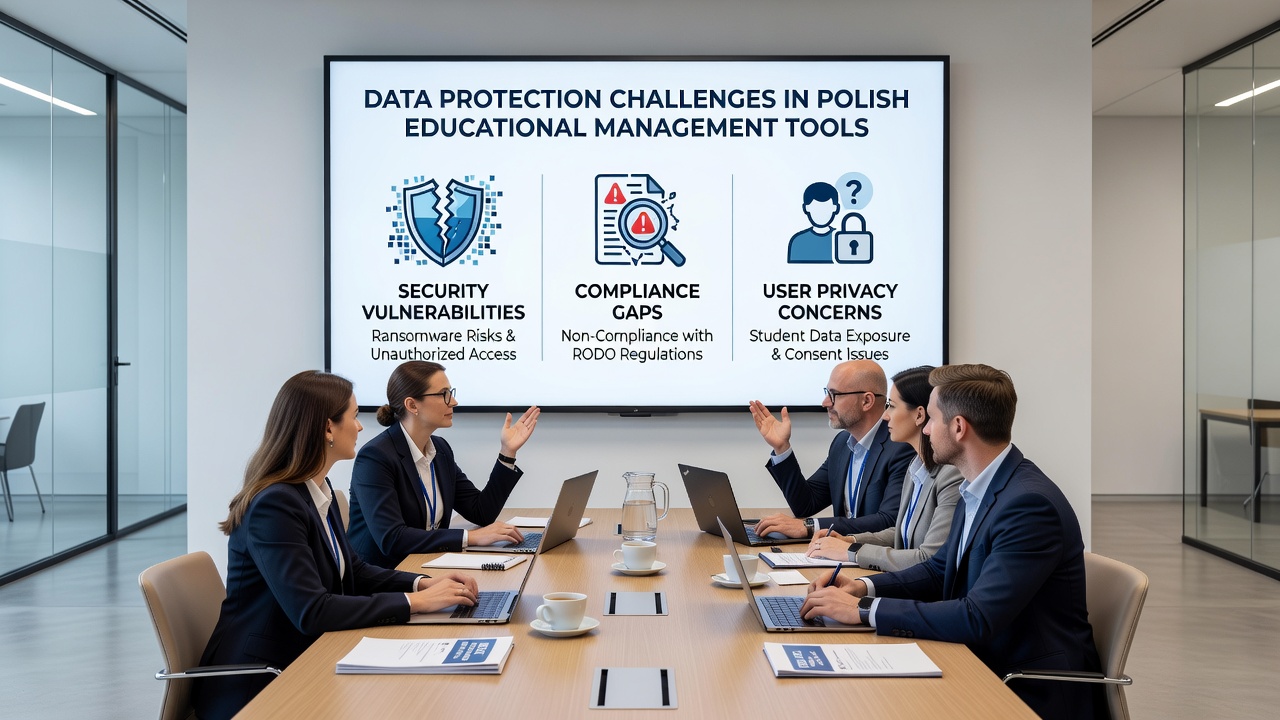
Polish schools rely on several digital platforms for handling student records, attendance tracking, and communication with parents, yet recent audits reveal persistent vulnerabilities in how these tools manage personal information under GDPR rules. Systems like Librus and Vulcan, which serve thousands of institutions across the country, process sensitive data including names, addresses, health details, and academic histories on a daily basis. Reports from October 2026 highlight instances where inadequate encryption and weak access controls left student information exposed to unauthorized parties, prompting reviews by the Polish Data Protection Authority.
Those who have examined the infrastructure note that many platforms integrate third-party services for features such as online grading and messaging, which expands the potential attack surface. Data flows between school servers and external providers often occur without sufficient logging or consent mechanisms, creating gaps that regulators flag during inspections. Figures from the European Data Protection Board indicate similar patterns in other EU member states, where educational technology adoption outpaces updates to privacy safeguards.
Common Vulnerabilities Identified Across Leading Tools
One recurring problem involves default password settings and shared administrator accounts that allow multiple staff members to access full databases without individual accountability. Researchers at Warsaw University of Technology documented cases in which student data remained accessible months after enrollment ended, because deletion protocols failed to trigger automatically. Such oversights violate core principles of data minimization and storage limitation outlined in GDPR Article 5.
Another issue surfaces with mobile applications tied to these management systems, where location tracking and push notifications collect additional metadata without clear user notifications. Parents and guardians frequently grant broad permissions during setup, yet few platforms provide granular controls to revoke specific data-sharing options later. Observers note that this setup mirrors challenges seen in other sectors, but the impact on minors raises the stakes considerably.
Regulatory Responses and Ongoing Investigations
The Polish supervisory authority launched targeted reviews of the top five educational platforms in early 2026, focusing on compliance with cross-border data transfers. Several tools route information through servers located outside the EU, which requires explicit safeguards such as standard contractual clauses or binding corporate rules. When these measures fall short, schools face potential fines and mandatory system overhauls. Guidance from the European Data Protection Board emphasizes the need for regular risk assessments tailored to educational environments.
Schools in rural regions encounter additional hurdles because limited IT budgets restrict access to premium security features or dedicated compliance staff. Urban districts sometimes partner with private consultants to conduct penetration testing, yet smaller institutions depend on vendor assurances alone. This disparity shows up in breach notification statistics released by the authority in October 2026, where rural schools reported delays in identifying incidents.
Impact on Students and Families
Unauthorized access to academic records can affect future opportunities, from university admissions to scholarship applications. Families report receiving unsolicited marketing materials after their children's data appeared in breaches linked to educational platforms. Although no large-scale identity theft cases tied directly to these incidents have surfaced in official records, the potential for misuse remains a concern cited in multiple oversight reports.
Training programs for teachers and administrators have expanded in response, covering topics such as recognizing phishing attempts and managing consent forms. The Ministry of Education coordinated workshops in several voivodeships during the 2025-2026 academic year, emphasizing practical steps for securing login credentials and reviewing vendor contracts. Participation rates reached over 60 percent in participating regions according to ministry summaries.
Industry Efforts Toward Stronger Safeguards
Vendors have begun rolling out updates that incorporate multi-factor authentication and improved audit trails, although adoption varies by district. Some platforms now offer dashboards that display which staff members viewed specific records and when, helping schools maintain accountability. Industry associations representing educational technology providers have published voluntary codes of conduct that encourage transparency about data processing purposes.
International comparisons offer context; Canadian provincial education departments and Australian state systems have implemented centralized data governance frameworks that Poland's fragmented municipal approach could reference. Resources from Australia's Office of the Australian Information Commissioner demonstrate how standardized templates for privacy impact assessments reduce duplication across institutions.
Conclusion
Polish educational management tools continue to evolve amid tightening data protection expectations, with October 2026 marking increased scrutiny from both national and European regulators. Schools, vendors, and oversight bodies each play distinct roles in addressing encryption gaps, consent management, and access controls. Continued monitoring and coordinated updates remain essential as digital platforms expand their footprint in daily school operations.